The task
Lithium-ion batteries are highly safety-critical components in electric vehicles. Lithium is a very reactive metal: when it reacts with water it releases a great deal of heat and produces both corrosive lithium hydroxide and highly flammable hydrogen. Water must therefore be kept out of the battery cells at all costs. At the same time, the battery needs to be able to vent gases, so battery ventilation systems use membranes that let gas escape freely while forming a reliable barrier against water.
MANN+HUMMEL, the world market leader for filtration solutions, developed an innovative ventilation system optimised for use in EV batteries and based on a novel membrane. To ensure during manufacturing that the installed membranes were free of leaks, however, a new test method was also needed, because the previous process did not work with the new membrane material.
The solution
Because this task called for physical understanding, safety expertise and manufacturing experience alongside hardware and software know-how, MANN+HUMMEL turned to NewTec. Starting from an analysis of the physics involved, NewTec’s specialists first evaluated various optical and electrical methods. In the end, they developed a solution based on a highly sensitive separator that met all the requirements for safety, reliability and technical feasibility.
Having developed the test method, NewTec also took on the design of the evaluation electronics and the programming of the software, which translates the sensor signal for an external programmable logic controller (PLC). To make the test sensor functionally safe, various safety functions were installed to monitor the operation of the sensor, the wiring and the software.
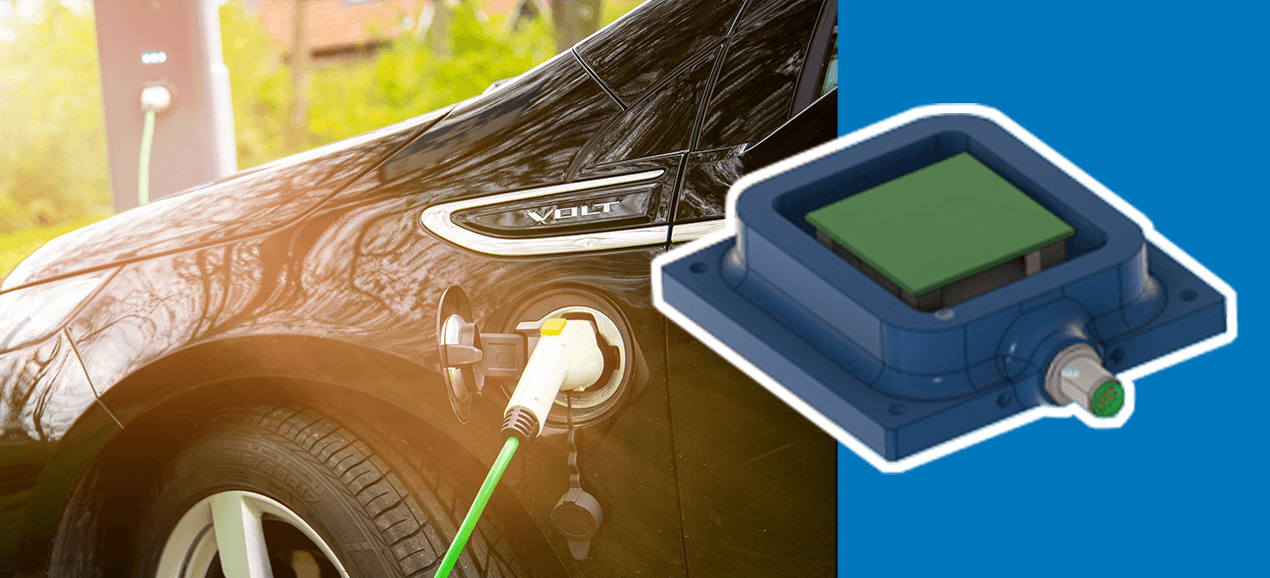
To integrate the sensor easily into membrane production, NewTec designed a suitable housing for the sensor and evaluation electronics. So that MANN+HUMMEL could be supplied with a ready-to-install complete solution, NewTec produces the housing itself in small series and fits the sensor and hardware at the same time.